When you stand up to speak, will you definitely be able to read your notes?
It sounds like an obvious question for a presenter to ask.
So obvious, in fact, that most presenters do not ask it!
And even fewer follow-up by checking.
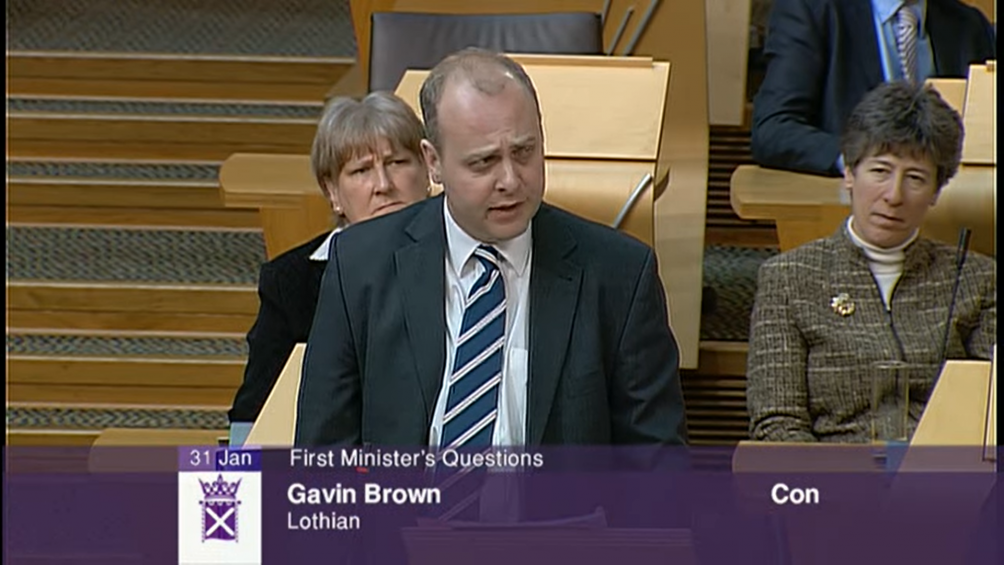
I learned this the hard way during my first speech as an MSP in the Scottish Parliament.
I put in a lot of work into my preparation and rehearsed several times.
The debate began and, as expected, it was pretty fiery.
About an hour or so in, my name was called.
The Presiding Officer shouted:
“Gavin Brown.”
I stood up to speak and immediately realised I could barely read my notes.
The lectern on the Chamber desk was slightly lower than I had anticipated, which meant the distance from my notes to my eyes was greater than during rehearsals in my office.
The lectern couldn’t be adjusted.
I had to continue.
I got lucky.
A combination of adrenaline and frequent interventions from other speakers saw me through.
But the experience taught me a valuable lesson.
Test your notes in the exact circumstances you’ll face.
Before my next debate, I visited the Chamber well in advance and tested several different font sizes to see which worked best when standing.
The issue never returned.
When you’re seated, notes usually feel easy to read.
When you stand up, the distance to the page is often greater and under pressure, that difference matters.
Two simple steps can prevent this problem:
Firstly, make the font size slightly larger than you think you need.
Secondly, test your notes at the venue in advance, leaving time to make adjustments.
Small preparation steps can make a big difference to how confidently you deliver your message.
For more presentation tips, why not check out the following article on the importance of starting strong to keep your audience listening…