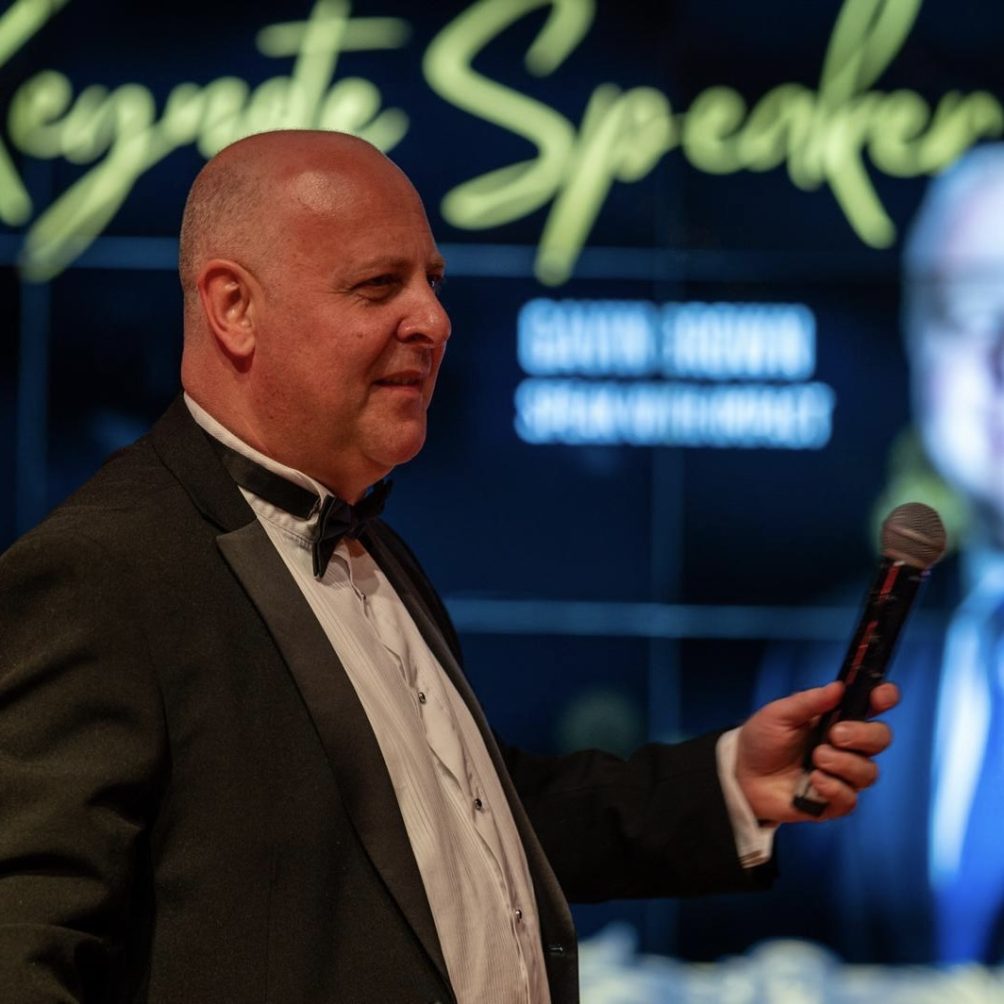
I delivered a keynote speech at a charity dinner recently.
One of my audience engagement ideas worked overall.
But not quite in the way I had anticipated.
This was the third year of that particular dinner, so I decided to find out how many people had attended before.
First time? Make some noise.
Second time? Make even more noise.
Third time? Really go for it.
I had two objectives.
My primary objective was to create a positive, energetic atmosphere in the room.
My secondary objective was to build momentum, with each response louder than the one before.
What happened?
The first question got a loud cheer.
Plenty of first timers.
The second question got an even louder cheer.
The third…
A rather smaller cheer.
It turned out there weren’t many people who had attended all three dinners.
My primary objective had been achieved comfortably.
My secondary objective had not.
It barely mattered at the time, but I was a little frustrated with myself afterwards.
Think About the Likely Response
I should have done slightly more “market research”.
If I’d known the likely numbers in advance, I could have planned the interaction differently.
But even without inside information, I could have thought more carefully about the most likely responses.
In hindsight, I would probably have ditched the third question altogether.
Instead:
“Is this your first time here? Make some noise.”
Followed by:
“Have you been before? Make even more noise.”
Much simpler.
And a much better chance of getting the increasing response I wanted.
Planning Audience Interaction
Audience interaction can look spontaneous.
But the best audience interaction is usually carefully planned.
Think through what you’re going to ask.
Think through how the audience is likely to respond.
If you’re relying on those responses building in a particular direction, do your homework first.
Good planning doesn’t make audience interaction less spontaneous. It simply gives that spontaneity a better chance of working.
And sometimes, a little “market research” can make a big difference.