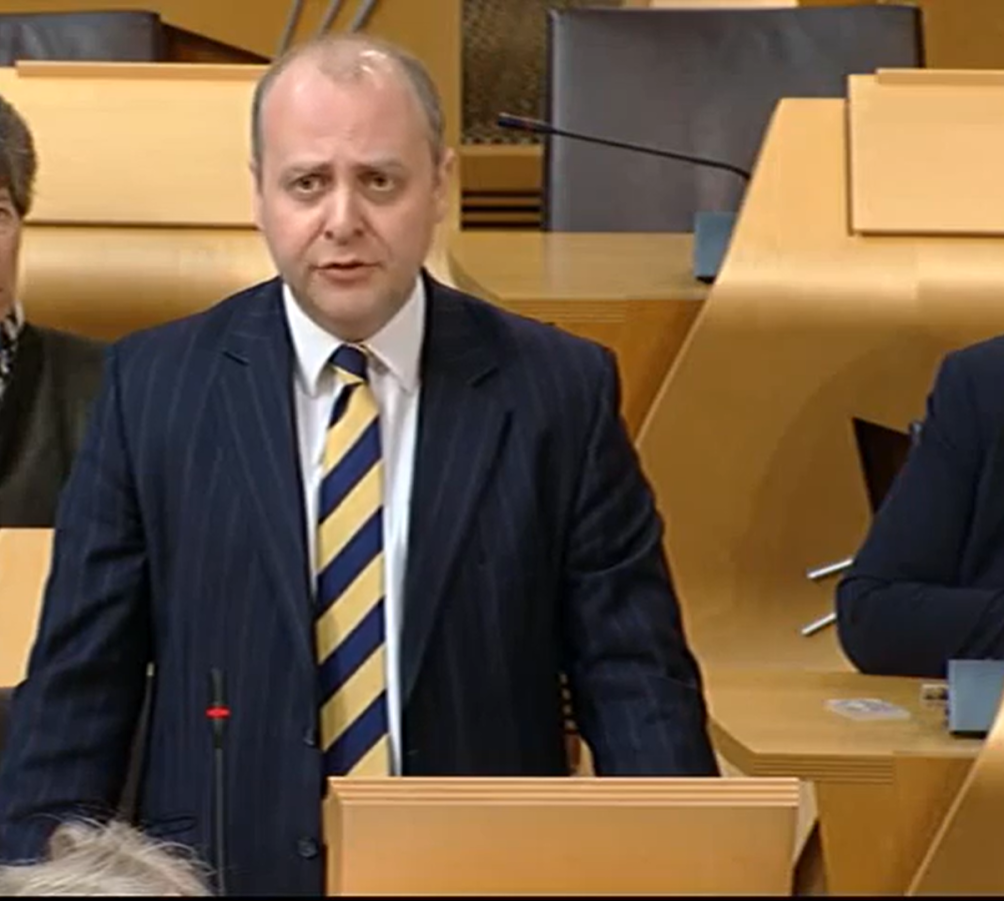
The night before one of my most important speeches in the Scottish Parliament, I didn’t sleep for a single minute.
My youngest son was unwell, and I spent the entire night looking after him.
The following afternoon, I had to speak in the Stage 3 debate on the Scottish Budget.
Fortunately, the debate went pretty well.
But it reminded me of an important lesson about public speaking.
Important presentations rarely take place in perfect circumstances.
The room acoustics are poor.
The technology fails.
You have a cold or jet lag.
There’s a noisy building site outside.
The audience is already bored when your turn arrives.
Someone interrupts you.
The lights are too bright.
The room is unbearably hot.
The conference is running late and you’re asked to deliver a 30-minute presentation in 15 minutes.
The list is endless.
Four Ways to Prepare for the Unexpected
So what can you do?
Here are four things we work on with clients at Speak With Impact.
1. Rehearse Your Core Messages Repeatedly
This is entirely within your control.
If you know your material thoroughly, you have a strong foundation even when circumstances become difficult.
2. Anticipate the Most Likely Problems
Think through what could go wrong and decide how you would respond.
What happens if your slides disappear?
Or your speaking time is cut in half?
3. Accept That You Cannot Anticipate Everything
Something unexpected might happen.
In fact, it probably will!
Simply accepting that possibility can help you stay calm rather than panic when it does.
4. Introduce a Little Chaos Into Your Rehearsals
This is particularly important.
Practise without your slides for part of the talk.
Ask someone to interrupt with an unexpected question.
Rehearse in a room that isn’t ideal.
Try delivering your presentation in half the allotted time.
If you only rehearse under perfect conditions, you become accustomed to perfect conditions.
Prepare for Reality, Not Perfection
Preparing for the unexpected in presentations isn’t about imagining every possible problem.
It’s about developing the confidence and flexibility to respond when things don’t go as planned.
The objective isn’t to eliminate everything that could go wrong.
It’s to prepare yourself to perform effectively when something does.
And if everything goes perfectly on the day?
Enjoy it!